



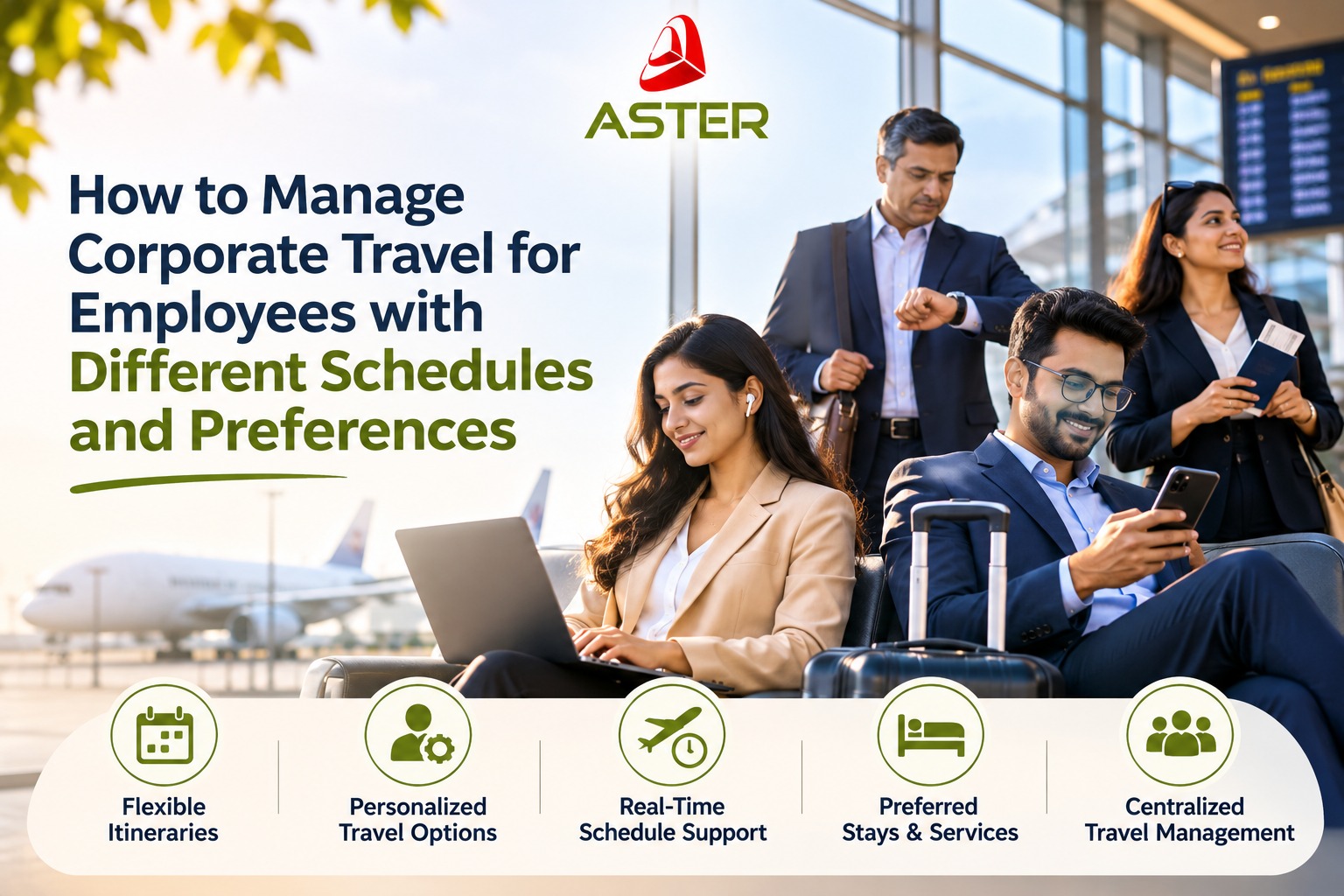
Managing corporate travel for a team with different schedules comes down to three things: collecting preferences before you book, building flexibility into your policy, and planning the journey home with the same care as the journey out. That last part is where most plans fall apart, which is why post event travel management deserves real attention, especially for offsites, conferences and incentive trips where dozens of people arrive together but rarely leave together.
Corporate travel is picking up again, and expectations have changed with it. Thomas Cook (India) and SOTC's Business Travel Report 2026 found that more than 56% of respondents see traveller experience, flexibility and duty of care as growing priorities, while also pointing to a clear trade-off between convenience and policy compliance. In other words, employees want choice, finance wants control, and HR or admin teams are stuck in the middle trying to make both sides happy.
In this blog, we'll walk through how to capture preferences, set flexible rules, handle departures, and stay calm when plans change.
Why One Travel Plan Rarely Works for a Whole Team
Picture a three-day leadership offsite in Goa. One manager has a client call back in Mumbai on day three and needs the earliest flight out. A sales lead wants to stay through the weekend with family. A senior director won't take a red-eye under any circumstances. Book everyone on the same flight, and you've just created three unhappy people.
People travel differently because their lives are different. Role, seniority, home city, family commitments and even health needs all shape what a "good" trip looks like. And the trend toward blended trips is only growing. Agoda's 2026 Travel Outlook found that 76% of surveyed business travellers in Asia Pacific plan to combine work travel with leisure time.
So the goal isn't one perfect itinerary. It's a structure that lets many itineraries run smoothly side by side.
Start by Capturing Employee Travel Preferences Early
The simplest fix is also the most skipped: ask before you book. A short form at registration saves hours of rebooking later. Keep it to the details that genuinely change the plan.
Travel Dates and Timing Windows
Ask when each person can realistically arrive and leave, and whether they want to extend. This one answer shapes flights, hotel nights and transfers.
Flight, Seat and Transport Choices
Preferred airlines, seat type, morning or evening flights, and whether they're flying from a different city than the rest of the group.
Stay, Dietary and Comfort Needs
Room sharing, accessibility, dietary needs and anything that affects comfort on the ground. These small details are what employees remember afterwards.
Once you have this information, treating employee travel preferences as data rather than favours makes planning far less personal and far more fair.
How Can Companies Allow Flexible Business Travel Planning Without Overspending?
Flexibility doesn't mean an open budget. It means setting boundaries wide enough for people to choose within them.
A few approaches work well:
Honestly, clear rules make flexible business travel planning easier, not harder. People stop asking for special treatment when the options are already laid out.
Treat Post Event Travel Management as Seriously as Arrivals
Arrivals get all the attention. Departures are where things quietly go wrong. Once a session wraps, most attendees want to leave within the same few hours, all on different flights, from possibly different terminals.
Good post event travel management plans for that rush. Group people by departure windows rather than individual flights, and schedule shared transfers for each window. Leave buffer time for checkout, traffic and the inevitable last photo. Senior leaders, speakers and clients may need separate vehicles, while early leavers need their own arrangements so they don't wait on the group.
Before the event ends, run through a quick return-day checklist:
What Happens When an Employee's Plans Change at the Last Minute?
They will. A meeting gets moved, a flight gets delayed, someone falls ill. The answer is to keep one live itinerary that everyone working on the trip can see, and give travellers a single point of contact rather than a list of numbers.
This is where a managed travel partner earns its place. When one team holds the bookings, transfers and on-ground support together, a change becomes a quick fix instead of a chain of phone calls.
Conclusion
Managing travel for people with different schedules is less about perfect planning and more about good structure. Collect preferences early, give employees sensible choices within clear limits, and treat post event travel management as a core part of the plan rather than an afterthought. Do that, and most of the stress disappears before anyone boards a flight.
There's a bigger benefit, too. Employees notice when a company respects their time and comfort, and a well-run trip quietly says a lot about how an organisation values its people. Flexibility, handled thoughtfully, becomes part of the employee experience itself.